
Have you ever wondered why some children find it easy to speak up, express themselves, and even handle their emotions with surprising maturity?
What truly makes a child raised in love feel different from one raised in stress, unpredictability, or chaos?
The answer often comes down to one powerful thing: secure attachment — the emotional bond that makes a child feel safe, valued, and supported.
Many of us today struggle with decision-making, identity, confidence, and emotional regulation. Much of who we become is shaped by how we were raised and the kind of emotional connection we had with the caregivers who guided us.
How Children Understand Secure Attachment
Every child has the same core emotional needs: to feel loved, heard, and seen.
Not just taken care of — but truly noticed.
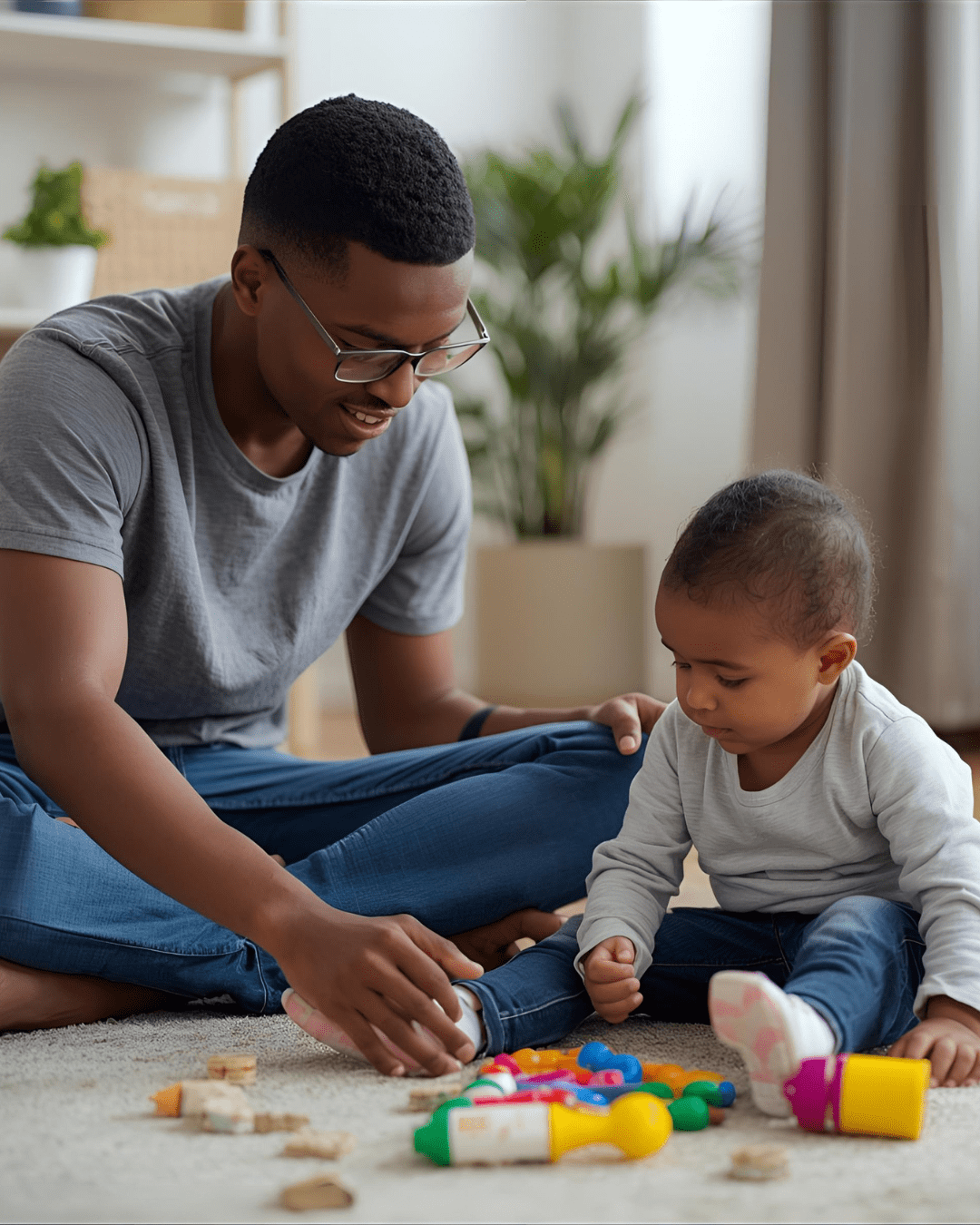
A few years ago, I was babysitting my niece, who was around five at the time. I handed her toys to keep her busy while I read a book. But every few minutes, she looked over — just checking that I was still there.
Then came the familiar, gentle request:
“Aunty, can you play with me?”
I asked her to give me a moment to finish the page.
But she asked again.
And again.
Eventually, I put the book down and joined her on the floor.
The change was instant. She became happier, calmer, and more relaxed.
It finally dawned on me that it wasn’t the toys she needed — it was connection. The reassurance that she wasn’t alone and that she mattered to the adult in the room.
That simple moment is what secure attachment looks like in real life.
What Secure Attachment Really Means
Secure attachment is not about perfect parenting.
It’s not about knowing all the right words or responding flawlessly.
Secure attachment happens when a child feels:
- emotionally safe
- comforted when they’re upset
- understood instead of dismissed
- supported even when they struggle
- important enough for someone to show up
It’s the everyday bond that tells a child:
“You are safe with me. You can trust me. Your feelings matter.”
This emotional safety becomes the foundation for a child’s confidence, mental health, and future relationships.
I wrote about some practical ways to create this kind of supportive environment. You can check out my post on nurturing growth at home.
How Secure Attachment Shapes a Child’s Future
A strong caregiver–child bond affects every part of a child’s life — not just now, but long into adulthood.
1. Better Emotional Regulation
Children who experience secure attachment learn how to manage their feelings because someone calmly guided them through big emotions.
2. Healthy Self-Worth
Emotional safety teaches them:
“I am loved. I matter.”
This reduces insecurity, self-doubt, and the tendency to people-please later in life.
3. Stronger Social Skills and Relationships
Children with a secure parent–child connection grow into adults who build healthy, respectful relationships with others.
4. More Confidence and Curiosity
Because they feel supported, they explore their world instead of shrinking back in fear.
5. Resilience During Stress
Emotional bonding helps children bounce back from challenges without shutting down.
Secure attachment shapes children into grounded, confident, and emotionally balanced adults.
To gain a deeper understanding of the emotional journey that parents experience in forming these bonds, you may also want to read “The Healing Journey of Parenthood.”
How Caregivers Can Build Secure Attachment
The beautiful thing about secure attachment is this:
It grows through small, consistent moments — not perfection.
Here are simple ways caregivers can nurture a strong emotional bond:
Respond When They Reach Out
A calm “I’m here” goes a long way.
Offer Comfort, Not Criticism
Children don’t need fixing during big emotions — they need support.
Create Predictability
Consistency makes a child feel safe.
Make Eye Contact and Listen Fully
It tells them, “You matter.”
Apologize When You’re Wrong
Repairing teaches them trust and emotional safety.
Put Down Distractions Sometimes
Even 10 minutes of fully present time strengthens a secure attachment bond.
These small actions contribute to a child’s emotional development, building their foundation one brick at a time.
Why Secure Attachment Matters Now More Than Ever
If you care about giving a child the emotional grounding they need to thrive, secure attachment is one of the greatest gifts you can offer.
And you don’t need a degree or to be a perfect parent.
What children need most is a caregiver who shows up, listens, and loves consistently.
When a child feels emotionally safe and connected, their world expands. They grow into adults who trust themselves, manage their emotions, and navigate life with confidence.
You can start today. Even small moments of attention, presence, and connection make a huge difference.