
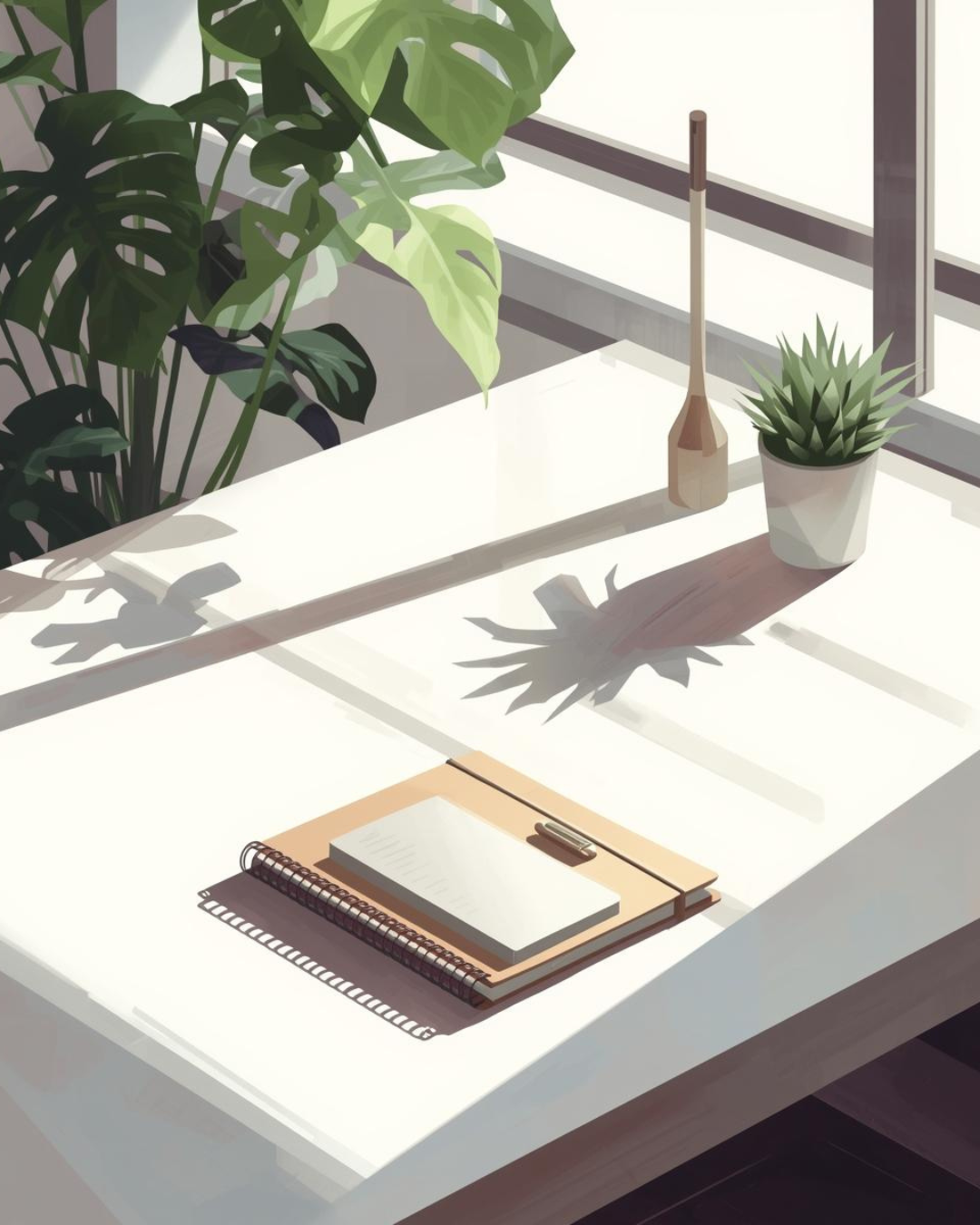
I have often come across the concept of minimalism, but I never paid it serious attention—until I learned to declutter my space.
At the time, I didn’t think much of it. I simply wanted my room to feel lighter. But as I began letting go of things I no longer used or needed, I noticed something unexpected: my mind felt quieter. My thoughts felt less scattered. What started as physical decluttering slowly turned into emotional and mental clarity.
Minimalism is a concept that focuses on the idea that less is more. Most times, we believe having more will bring happiness, but it often does the opposite. When your space is filled with too many things—even those you don’t need—you can find yourself feeling constantly tired, overwhelmed, and under pressure.
That experience taught me that minimalism is more than a lifestyle choice. It is a powerful tool for clarity and growth.
Understanding Minimalism Beyond Aesthetics
Minimalism is often reduced to a visual aesthetic or a strict rule of owning less. In truth, minimalism is a mindset grounded in intention and awareness.
Minimalism as a tool for clarity and growth invites you to remove excess so you can focus on what truly adds value to your life. It encourages conscious choices—about what you keep, what you consume, and what you allow into your mental and emotional space.
This practice looks different for everyone. It is not about perfection or comparison, but about aligning your life with your values.
How Minimalism Improves Mental Clarity
Your environment plays a significant role in your mental well-being. When your surroundings are cluttered, your mind often mirrors that state.
As I simplified my space, I noticed I was less irritable and more present. I could focus better, think clearly, and feel calmer throughout the day. This is the quiet power of minimalism.
Minimalism as a tool for clarity and growth helps you:
- Reduce stress and mental overwhelm
- Improve focus and decision-making
- Increase emotional balance
- Live more intentionally in the present moment
Clarity becomes the foundation upon which growth is built.
Creating Space for Personal Growth
Growth cannot thrive in chaos. It needs space—space to pause, reflect, and realign.
When you release excess possessions, commitments, and expectations, you make room for meaningful growth. Minimalism allows you to redirect your energy toward habits and goals that truly matter.
By embracing minimalism as a tool for clarity and growth, you stop operating on autopilot and begin making conscious choices that support who you are becoming.
Minimalism in Everyday Life
Minimalism extends beyond physical decluttering and gently weaves into everyday living.
Mental Minimalism
Letting go of negative self-talk, comparison, and unrealistic expectations creates emotional clarity and inner peace.
Digital Minimalism
Being intentional with screen time and online consumption restores focus and protects your mental space.
Lifestyle Minimalism
Choosing commitments carefully and learning to say no helps preserve your energy and time.
Each practice reinforces minimalism as a tool for clarity and growth in practical, sustainable ways.
How to Start Practicing Minimalism
Minimalism does not require drastic changes. It begins with small, mindful steps.
You can start by:
- Decluttering one small area at a time
- Pausing before purchasing or committing
- Creating moments of stillness for reflection
- Releasing habits that no longer support your growth
Minimalism is not a destination—it is an evolving process.
Final Reflection
Minimalism is not about having less for the sake of it. It is about living with clarity, intention, and purpose.
When you choose minimalism as a tool for clarity and growth, you create space for what truly matters. You allow yourself to breathe, reflect, and grow without unnecessary pressure.
Pause and Reflect
Before you move on with your day, take a quiet moment to reflect:
What feels heavy in your life right now? What can you gently let go of to create more clarity?
Start small. One space. One habit. One thought.
Clarity begins with simplicity, and growth begins with awareness. Allow minimalism to guide you toward a lighter, more intentional way of living.