
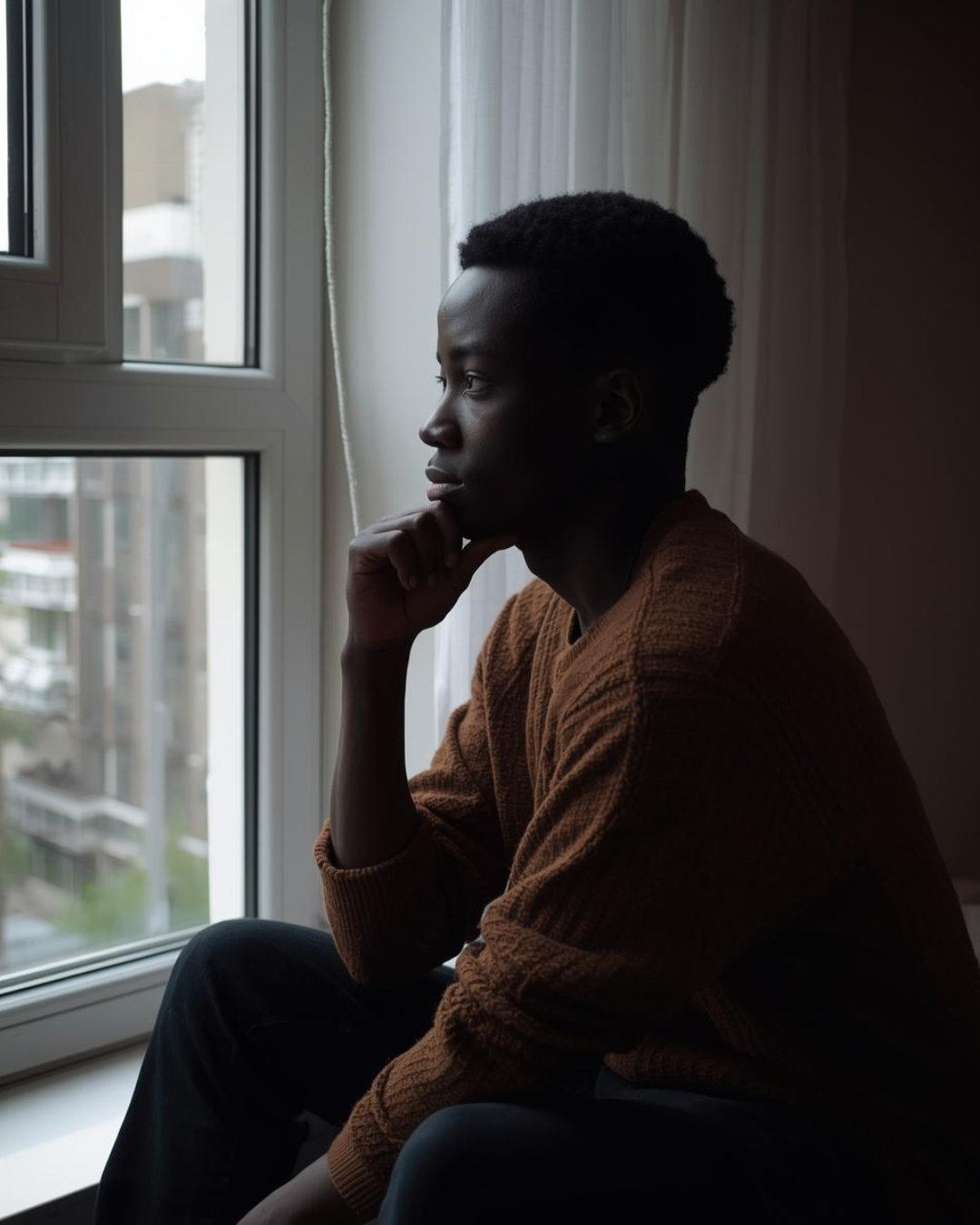
Our childhood doesn’t stay behind us — it follows us into adulthood in quiet, familiar ways.
Long before we learned how to read or write, we were learning how to feel, respond, and survive. Those early lessons still echo in who we are today.
Our homes were our first classrooms.
The voices we heard became the voices we carry.
The silence we endured became the silence we sometimes offer ourselves.
Many patterns we struggle with today didn’t suddenly appear in adulthood — they were formed long ago, in childhood.
Lessons Our Childhood Holds
Imagine growing up in a home where you weren’t heard.
Where your emotions weren’t validated — or even allowed.
You won’t suddenly grow into an adult who freely expresses themselves.
You grow into someone who second-guesses their feelings, someone who minimizes their needs — someone who learned that silence felt safer than honesty.
Patterns of anger, raised voices, name-calling, emotional absence — these weren’t random traits.
They were learned behaviors.
They were modeled.
They were normalized.
Some of us grew up without ever truly feeling loved.
So we entered adulthood believing love was conditional… or worse — an illusion.
When Love Wasn’t Modeled
I once had a conversation with someone who struggles with physical touch.
Not because she thinks it’s wrong.
Not because she doesn’t want a connection.
But because she never received it.
She wasn’t held or comforted. Touch feels unfamiliar to her — even uncomfortable.
She struggles to give it or receive it.
And it made me pause…
Because imagine raising children with what you never received.
Imagine trying to teach love when love was never modeled for you.
This is how cycles are formed — not from cruelty, but from lack.
From unmet needs.
From emotional gaps that were never acknowledged.
Reflection Without Blame
This isn’t about blaming parents.
Or shaming our past.
Or reopening wounds without purpose.
It’s about awareness.
When we understand why we are the way we are, we stop punishing ourselves for it.
You weren’t difficult. You were adapting.
You weren’t broken. You were doing the best you could with what you were given.
And that deserves grace.
Breaking the Cycle Starts With You
Awareness gives us a choice.
We can pause.
We can unlearn.
We can decide to show up differently — even if it feels uncomfortable at first.
Healing doesn’t mean you’ll get it right every time.
It means you’re willing to try with intention:
- To speak when you once stayed silent.
- To give yourself what you didn’t receive.
Extend Grace — Especially to Yourself
Looking back isn’t meant to trap us in the past.
It’s meant to free us from repeating it unconsciously.
So be gentle with yourself.
Be patient with your patterns.
Be compassionate with your process.
You are not late.
You are not failing.
You are becoming aware — and that is powerful.
Looking back helps us move forward.
And moving forward begins with grace.
If this resonates, pause with it — and share it with someone navigating their own unlearning.
We’re not meant to do this work alone.
2 thoughts on “The Childhood We Carry: How Early Lessons Shape Us”
Breaking the cycle really starts with us.
As adults we have to be INTENTIONAL about UNLEARNING things our parents UNINTENTIONALLY modelled to us. We have to forgive the past and embrace the future
Absolutely…It’s indeed our responsibility to break the circle and unlearn what was unintentionally modelled to us.
Thank you for this.