
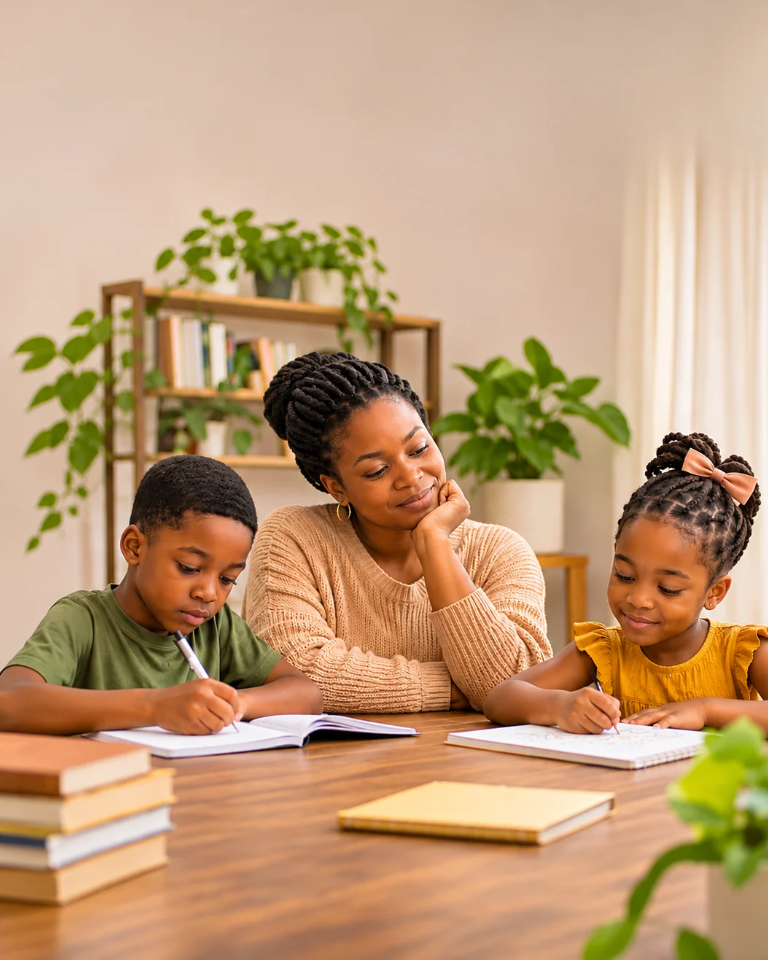
One of the things that I am learning as a parent is that parenting requires us to wear many different hats, sometimes depending on what the situation demands. Just when we think we have figured out one aspect of parenting, another situation presents itself, requiring us to approach things differently.
It is interesting how one day we are teachers, the next we are nurses, counsellors, financial coaches, or simply the people our children turn to when they need reassurance. Sometimes, we have to play several of these roles within the same day.
As parents, we are raising an entire generation. Our homes are the training grounds for the people, professionals, and leaders our children will eventually become. What we say, the actions we take, and the examples we set all shape who they become.
When I think about this responsibility, I sometimes wonder how prepared we really are for the task ahead. Beyond the excitement of having children, how much thought do we give to raising them?
The Many Roles We Play as Parents
As parents, we play several roles. We are teachers, guardians, nurses, financial coaches, mentors, and sometimes even judges.
We are often at the centre of so many things: explaining, offering guidance, providing comfort, correcting behaviour, making difficult decisions, and helping our children understand the world around them.
There are times when we have to be firm, even when it is easier to give in. Other times, we have to exercise patience, listen, offer comfort, and try to understand things from our children’s perspectives.
The interesting thing is that these roles don’t always come with clear instructions. We are often required to make decisions in situations we have never encountered before.
But how prepared are we for all these responsibilities? How do we know what to do when we find ourselves navigating unfamiliar situations? And what happens when the approach we have always relied on no longer seems to work?
These are some of the questions I’ve found myself asking as I reflect on my motherhood journey.
Parenting Requires More Than Having Children
I’ve come to realise that being a parent goes beyond having children and meeting their everyday needs. It requires intentionality and an understanding of the responsibility that comes with raising another human being.
The things we teach, the values we pass on, and the examples we set matter. Sometimes, our children learn as much from watching how we behave as they do from listening to what we tell them.
For instance, we may teach our children to be patient, but how do we respond when things don’t go according to our expectations? We may encourage them to communicate openly, but are we creating an environment where they feel comfortable expressing themselves?
These are simple but important considerations because parenting involves more than telling children what to do. It also involves demonstrating the values we hope they will embrace.
Our own experiences also influence how we parent. The things we learnt growing up, the environments we experienced, and the values we were exposed to can all find their way into how we raise our children. I explored some of this in The Dreams We Lost Along the Way: How Parenting and School Shape Us.
It requires knowledge and a willingness to keep learning because we won’t always have the answers. Our children are growing and changing, and the things they need from us will change too. What works at one stage may not be what they need at another.
I am learning that being intentional also means being observant enough to recognise when something needs to change. Sometimes, the adjustment required may not be in the child but in our approach as parents.
Who Teaches Us How to Parent?
I have often wondered how we prepare for the many roles that come with parenting. What knowledge or skills do we need to fulfil these responsibilities? Is there a standard we are expected to follow? Is there a curriculum for raising children, just as there is one for schools?
Of course, we can learn from books, attend parenting programmes, seek advice and draw from the experiences of others. These resources can help us understand different stages of childhood, child development and the responsibilities of raising children.
However, no amount of preparation can completely equip us for every situation we may encounter.
Every child is different, every family has its peculiarities, and sometimes, we learn through the very experiences we are trying to navigate.
This is why I believe parenting requires community. As the saying goes: it takes a village to raise a child. There is so much we can learn from other parents, people with different experiences, and those who have walked certain paths before us.
We don’t have to pretend to know everything or feel inadequate because we need help. Sometimes, speaking to another parent, asking questions, or seeking guidance can provide a perspective we may not have considered.
Most importantly, parenting requires faith in God and confidence in the children we are raising. For me, faith is an important part of navigating the uncertainties of motherhood. It reminds me that while I have a responsibility to guide and nurture my children, I also have to trust God through the process.
I am also learning that our own emotional well-being matters in how we show up for our children. There may be seasons when we are dealing with personal challenges while still trying to meet the demands of parenting. In How to Stay Close to Your Children While You Heal, I reflect further on navigating those moments and maintaining our connection with our children.
Every Child Is Different
One thing I am gradually learning is that children are not the same. They have different personalities, temperaments, interests, and ways of responding to situations.
This means that what works for one child may not necessarily work for another, even within the same family.
Sometimes, as parents, we may have expectations about how our children should behave, respond, or approach certain situations. But as they grow, we begin to understand that raising them requires us to pay attention to who they are, rather than simply who we expect them to be.
Children are gifts from God, and they require proper nurturing, love, and care to become adults who are self-reliant and useful to themselves and the world around them.
But nurturing them also requires us to understand their individual needs. It means knowing when to encourage, when to correct, when to listen, and when to give them room to figure things out.
I am learning that parenting is not necessarily about finding one approach that works all the time. It is also about being willing to observe, understand, and adjust as our children grow.
While Raising Them, We Are Also Raising Ourselves
Perhaps one of the most interesting things about motherhood is how much it reveals about us.
We often focus on what our children need to learn, the values we want them to develop, and the kind of adults we hope they will become. But how often do we pause to consider what parenting is teaching us about ourselves?
Motherhood has a way of testing our patience, challenging our expectations, and bringing certain aspects of our personalities to the surface.
For instance, we may discover that we are not as patient as we thought. We may realise that we have expectations that our children are not always able to meet. We may also discover that some of our reactions have more to do with our own frustrations than with the situation at hand.
These moments can be uncomfortable, but they also provide opportunities for reflection.
I am learning that parenting is not just about correcting our children; it is also about examining ourselves. It is about recognising when our approach needs to change, when we need to manage our expectations, and when we need to learn a better way of responding.
We cannot always expect our children to get everything right while assuming that we, as parents, have nothing left to learn.
While we are teaching them, we are also learning. While we are guiding them, we are also being challenged to grow. And while we are intentional about the people they are becoming, we must remain conscious of the people we are becoming ourselves.
Motherhood can sometimes make us so occupied with caring for others that we gradually lose sight of ourselves. This is something I explored in How to Find Yourself Again as a Mum. It is a reminder that being a mother and continuing to discover who we are as women do not have to be mutually exclusive.
A Journey of Continuous Learning
I don’t think parenting is something we ever completely master. We learn as we go, sometimes getting things right and sometimes looking back and realising that we could have handled a situation differently.
Our children are growing and changing, and we are growing and changing too. The things they need from us will evolve, and we must be willing to evolve with them.
What matters is our willingness to reflect, learn, unlearn, and make adjustments along the way.
I am also learning that we don’t have to figure everything out alone. We can seek knowledge, learn from other parents, draw from different experiences and, most importantly, lean on our faith in God.
Perhaps this is one of the things that makes parenting such a significant journey. It is not just about raising children to become responsible adults; it is also about recognising that the responsibility of raising them will require us to keep becoming better versions of ourselves.
Because parenting is more than having children. It is about being intentional about the people they are becoming, while remaining open to the lessons, growth, and transformation that come with raising them.
Evolving With Cheta
A space for becoming yourself.